As a DuckHead appliance repair Toronto technician, I can almost predict a client’s reaction when I tell them their appliance will likely last five years — maybe a little more if they’re lucky, maybe less depending on usage. Most people look shocked. Some think I’m exaggerating.
But the question is simple: why are we surprised?
We Already Accept Obsolescence Everywhere Else
We carry phones that cost over $2,000 and expect them to become outdated within two or three years. We line up for upgrades. We accept slowing performance, failing batteries, unsupported software, and evolving technology as perfectly normal parts of modern life.
Yet when it comes to appliances — machines that perform actual mechanical work every single day — we somehow expect them to last forever.
Those days are gone.
What Appliances Used to Look Like
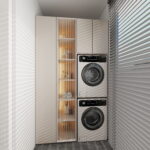
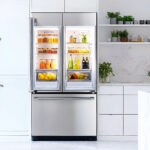
There was a time when you could buy a washing machine, dishwasher, or refrigerator and reasonably expect it to survive 30, 40, even 50 years. As an appliance technician, I still occasionally come across machines built decades ago that continue to operate reliably today. They were engineered differently. Manufacturing standards were different. Consumer expectations were different.
Today’s appliances are built in a completely different market — and for a completely different kind of consumer.
What Changed: The Market Did
Modern manufacturers face intense pressure to reduce production costs while simultaneously adding features. Consumers want touchscreens, Wi-Fi connectivity, app integration, quieter operation, more wash cycles, custom lighting, more convenience — and lower purchase prices. All at once.
Something has to give. In most cases, that something is longevity.
This doesn’t mean manufacturers are conspiring to defraud consumers. It means the market has structurally shifted toward affordability, aesthetics, and feature competition over long-term durability. Companies build what consumers buy — and right now, consumers are consistently choosing features and design over build quality.
The Uncomfortable Truth: Consumers Drive This
Many people would rather replace a $1,200 appliance every five years than pay significantly more upfront for a simpler machine built to last twenty. We have normalized replacement over repair. We get bored of designs. We chase newer features. We treat appliances more like consumer electronics than the long-term infrastructure of our homes.
Then we act surprised when the machine fails.
The reality is uncomfortable: the problem is not only manufacturers. The problem is also us.
- We are not demanding better quality.
- We are not rewarding durability.
- We are not prioritizing repairability.
- We are not forcing manufacturers to compete on longevity.
Instead, we continue rewarding lower prices and flashy features. Industries follow buying behaviour. And right now, buying behaviour does not reward the appliance built to last.
What This Means for Appliance Owners Today
Understanding planned obsolescence doesn’t fix a broken appliance at 11 PM on a Tuesday. But it does change how you approach ownership:
- Regular maintenance matters more than it used to. Modern appliances have less tolerance for neglect. Cleaning condensers, descaling, inspecting door seals — these things meaningfully extend appliance life in an era when durability margins are already thin.
- Repair before you replace. A well-executed repair on a 4-year-old appliance will almost always outperform the equivalent new unit from the same manufacturer. The replacement won’t be built better — it will be built the same or worse.
- Know when to let go. If an appliance is beyond 10–12 years and requires major component replacement, replacement is sometimes the right call. Honest diagnosis matters here — and it’s what DuckHead provides.
Before blaming corporations entirely, we should look at our own role in the cycle. Markets respond to demand — and right now, durability is not what most people are demanding.
DuckHead’s Approach: Repair First, Always Honest
At DuckHead, we offer best appliance repair Toronto service built on a simple principle: we’ll always tell you the truth about whether repair is worth it. If your appliance is worth fixing, we’ll fix it right. If it’s not, we’ll tell you that too — and help you understand what to look for in a replacement.
We service all major brands across Toronto, North York, Etobicoke, Scarborough, and the GTA. Our appliance repair service covers refrigerators, washers, dryers, dishwashers, ovens, stoves, and microwaves — same-day available.
Book a service call today — 647-749-0440.