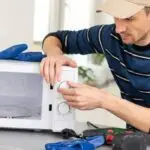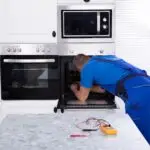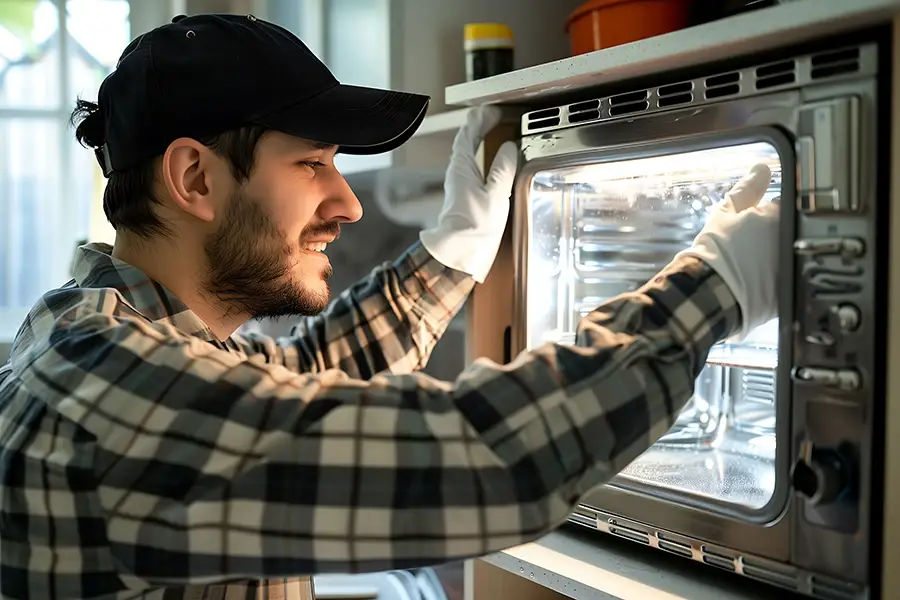
A microwave is one of the most used appliances in the kitchen. When it stops heating, sparks, makes strange noises, or shuts off suddenly, it can be frustrating. If you are searching for microwave repair Toronto, you likely want to know whether the microwave can be repaired or whether it should be replaced.
Duckhead Appliance Repair helps homeowners inspect common microwave problems and understand the practical next step.
Microwave repair can be worth it in many situations, especially for built-in microwaves, over-the-range microwaves, newer models, and units that are expensive or inconvenient to replace.
Common Microwave Problems
Microwaves can fail in several ways. Some problems are minor, while others involve internal electrical components.
Common issues include:
- Microwave turns on but does not heat
- Microwave has no power
- Turntable does not spin
- Microwave sparks inside
- Microwave makes a loud buzzing sound
- Door does not close properly
- Control panel does not respond
- Microwave starts and stops
- Interior light does not work
- Burning smell during use
Any issue involving sparks, burning smells, or unusual electrical sounds should be taken seriously. Stop using the microwave and have it inspected.
Why Microwave Repair Is Not a DIY Job
Microwaves can be dangerous to repair without proper training. Even after being unplugged, some internal components can store electrical charge.
That means you should not open the microwave casing or attempt internal repairs yourself. Professional diagnosis is safer and more practical.
Basic checks are fine. You can confirm the outlet works, check whether the door closes properly, clean the interior, and inspect for visible damage. But internal electrical repairs should be handled by a technician.
When Microwave Repair Is Worth It
Repair may be worth it when the microwave is:
- Built into cabinetry
- Installed over the range
- Part of a matching appliance set
- Relatively new
- Expensive to replace
- Showing one specific issue
- Otherwise in good condition
Built-in microwaves can be more expensive and inconvenient to replace because removal and installation may require extra work. In those cases, repair can be the more practical option.
When Replacement May Be Better
Replacement may make more sense when the microwave is very old, heavily damaged, or inexpensive to replace. Small countertop microwaves may not always be worth repairing if the repair cost approaches the price of a new unit.
However, it is still useful to get a diagnosis before making the decision, especially if the microwave is built-in or connected to ventilation.
Microwave Not Heating
One of the most common complaints is a microwave that runs but does not heat. The light may turn on, the turntable may spin, and the timer may count down, but the food stays cold.
This usually points to an internal component problem. Because microwave heating systems involve high voltage parts, this should be inspected professionally.
Microwave Sparking
Sparking inside a microwave can happen for different reasons. Sometimes it is caused by metal inside the unit, food debris, a damaged waveguide cover, or internal component problems.
If your microwave sparks even after cleaning and removing metal objects, stop using it and book a repair inspection.